What Does Alcohol Do To Your Veins?

Alcohol relaxes the muscle at the bottom of the esophagus, making it easier for stomach acid to splash back up. When this happens frequently, the acid can severely irritate and inflame the lining of your esophagus. Most of us only think about the short-term effects of alcohol use, but we need to consider the long term, too. Think back to the school assemblies that dared us to “just say no” or that first mind-bending hangover. We’ve heard heavy drinking horror stories since before we could get into a bar, and now maybe we’ve lived through some of our own horror stories. Alcohol use may also contribute to complications that affect multiple bodily systems, such as certain cancers, fetal alcohol spectrum disorders, and chronic pain.
Does alcohol affect your iron levels?
These hormones influence various functions, including growth, metabolism, and breathing. Consistently, by week 4 of the program, the majority of the participants had resolved their anemia. By week 8, many were ready to begin cancer treatments as hemoglobin and leukocytopenia levels had normalized by the end of the inpatient program. However, alcohol’s ability to influence iron levels can contribute to someone developing anemia. They may be able to provide emotional support or help find solutions. Some research suggests an association between seborrheic dermatitis and higher alcohol consumption.
Can alcohol-related bruising indicate an underlying health problem?
If you or someone you know is struggling with alcohol abuse and experiencing frequent bruising, it is crucial to seek professional help. Liver disease, often caused by long-term alcohol misuse, can further contribute to easy bruising. A damaged liver may not produce the necessary proteins for coagulation, leading to coagulopathy, a condition characterised by bruising and bleeding even with minimal trauma. Some people may wonder if there is a specific amount of alcohol that is safe to drink before or after injectables. There is no one-size-fits-all answer, but most medical professionals recommend avoiding alcohol for at least 24 to 48 hours before and after any procedure that involves breaking the skin. This gives the body time to recover and reduces the risk of complications 7.
- While bright red blood often points to issues lower in your digestive tract, like hemorrhoids, it’s never something to ignore.
- Additionally, heavy drinkers usually get most of their calories from alcohol.
- Whether your waste is bright red or black, this symptom warrants an examination.
- If a person continues to drink despite health-related problems, bruises after drinking may be a consequence that arises from alcohol misuse.
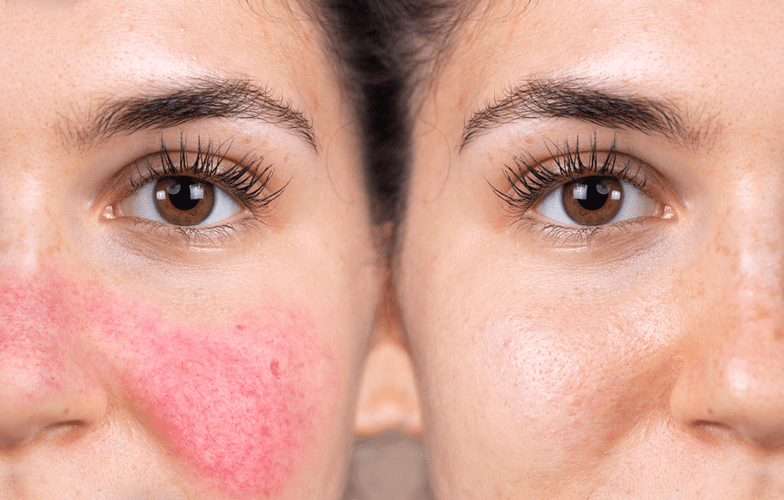
- Some people are more prone to facial flushing though because of a genetic mutation.
Is there a safe amount of alcohol to consume while healing a bruise?
A professional medical opinion is the only way to get an accurate diagnosis and appropriate treatment plan. Sometimes, bleeding after drinking is exacerbated by our lifestyle choices. Spicy foods, low fiber, and dehydration can worsen rectal bleeding, especially if the bleeding is related to hemorrhoids. Consider these tips to promote healthy digestion and alleviate the stress on our GI tract. Sometimes, we can attribute blood in stool after drinking to a more benign cause.
In most cases, whether temporary or long-term, the harmful effects of anemia can usually be counterbalanced by consuming more iron via diet and supplements. There are no types of alcohol that have been proven to help reduce swelling. Rubbing alcohol on swollen areas is not only ineffective but may also be harmful. It can dry out the skin and cause irritation, making the swelling worse. For people with AUD or anyone worried about their intake of alcohol, help and support are available. If a person spends an evening drinking, they may also stay up late or not sleep at all.
Diverticular Disease

The appearance of bleeding offers clues about its source and severity. Fresh, bright red blood often indicates active bleeding closer to the exit point, such as from hemorrhoids or a tear in does alcohol make bruising worse the lower gastrointestinal tract. For instance, bright red blood on toilet paper or in the toilet bowl after a bowel movement often points to hemorrhoidal bleeding. Alcohol can influence the body’s systems, increasing the likelihood of bleeding.
A Vein Condition Negatively Affects Athletic Performance
Alcohol does not directly thin the blood in the same way that medications like warfarin do, but it can influence how the blood behaves in the body. When someone drinks alcohol, it can slow down the way platelets work. When platelets do not work as well, the blood takes longer to clot, which means that even a small injury, like a needle prick, can lead to more bleeding or bruising 7. This is why some people notice more bruising after getting injectables if they have been drinking alcohol.
Meanwhile, binge drinking focuses more on how quickly and how much you drink in one sitting. The CDC defines binge drinking as drinking that brings your blood alcohol concentration (BAC) to 0.08% or more. This is usually achieved if you consume five or more standard drinks on a single occasion for men or four or more drinks on a single occasion for women. If you are someone who bruises easily, it is advisable to moderate your alcohol consumption.
Do Not Drink on an Empty Stomach
When it comes to injectables, like dermal fillers or Botox, the risk of bruising is already present. These procedures involve inserting a needle into the skin, which can cause small blood vessels to break. If the blood is not clotting as well because of alcohol, the bruising may be more noticeable and take longer to heal. Some studies have shown that people who drink alcohol regularly are more likely to have larger bruises and more severe bleeding after procedures that involve the skin or blood vessels 2. This is not just a cosmetic issue; more severe bruising can also mean a higher risk of complications, like infection or longer healing times. While excessive alcohol consumption is a risk factor for cancers that affect your mouth and digestive system, heavy drinking can also increase your risk for skin cancer.
Research shows that people who have psoriasis drink more alcohol than people without the condition. One review of available research says it can be hard heroin addiction to draw firm conclusions about alcohol from older studies. The participants in those studies might’ve had more than one psoriasis trigger (like smoking).
Alcohol is known to be toxic to the liver, and a majority of people who regularly consume 4 or more drinks per day will develop a fatty liver. Heavy alcohol consumption increases the risk of various cancers, high blood pressure, heart disease, and stroke. It can also lead to malnutrition, causing deficiencies in vitamins and minerals essential for skin health and wound healing, further contributing to bruising. When a person consumes alcohol, their blood vessels dilate, and this increased blood flow can lead to minor injuries becoming more noticeable bruises.
The best approach to prevent alcohol-induced bruising is to minimize or stop consuming alcohol in large volumes. Bruising can be one of the side effects of alcohol dependence, but it’s not the sole cause of it. A chronically damaged liver may not produce the proteins required for coagulation.
About Rated G